A positive parietal cell antibody means your immune system is reacting to the proton pump inside the stomach cells that make acid, which is the hallmark of autoimmune gastritis. On its own it isn’t a diagnosis: somewhere between 2.5% and 9% of healthy people carry this antibody, and some people who do have the condition test negative. What a positive result does is raise a fair question about your stomach lining, your iron and your vitamin B12, and that question matters more if you have Hashimoto’s.
Below: what the antibody is aimed at, why low stomach acid often shows up as fullness or anemia instead of heartburn, why it travels with Hashimoto’s so often, what a negative intrinsic factor result means, and the tests that usually come next. Please don’t start, stop or change any medication or supplement because of anything here without talking to your doctor first. Our Hashimoto’s page collects the rest of our thyroid videos.
Prefer to watch? This article goes with our video, The Antibody Linked to Low Stomach Acid (12 min).
What does a positive parietal cell antibody mean?
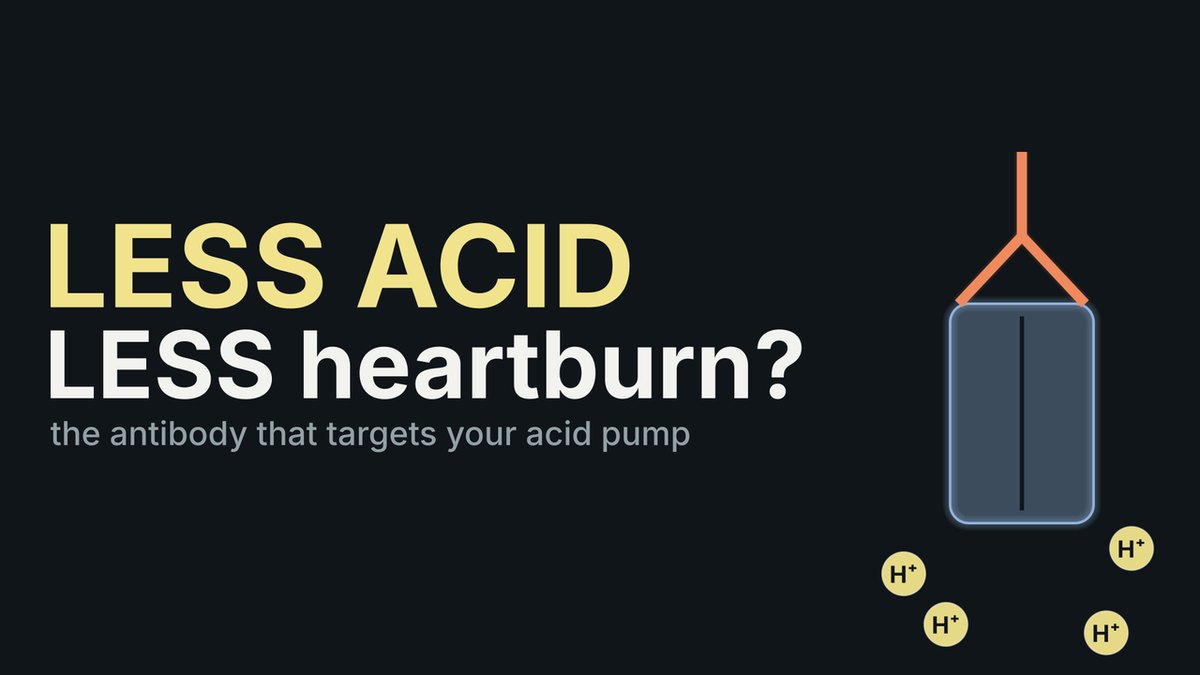
Parietal cells line the glands of the upper stomach, in the dome at the top (the fundus) and the main body below it (the corpus). In autoimmune gastritis the immune system’s main target in those cells is the proton pump, an enzyme called H+/K+ ATPase that pushes acid into the stomach.1 It’s the same pump that proton pump inhibitors, a common type of heartburn medicine, switch off.2
The antibody is mostly a marker. The damage itself is done mainly by T cells, immune cells that recognize the pump and direct the attack, and the antibodies are made along the way by B cells those T cells help switch on.12 So the test tells you the immune system has noticed the pump. It doesn’t measure how much of your stomach lining is affected.
That gap explains how one result can mean such different things. A 2024 review from a Rome gastroenterology unit puts it plainly: 2.5% to 9% of healthy people are positive, some people with confirmed autoimmune gastritis (especially older people) are negative, and a positive test alone isn’t enough to diagnose it.2 A 2025 meta-analysis of 47 studies and 15,817 people shows the same thing from another angle. In studies that defined the condition by antibodies alone, it turned up in 5.4% of people. In studies that required both antibodies and biopsy, the figure was 1.8%.3
The same Rome review adds one more possibility: in some people with a positive antibody and a normal-looking stomach, the result may be a very early stage that can later progress, which is one reason it’s worth following rather than forgetting.2
What parietal cells do, and what the attack changes
Parietal cells have two jobs. They make hydrochloric acid, and they make intrinsic factor, the protein your body needs to absorb vitamin B12 in the small intestine.12 When the attack goes on for years, those cells are lost, the glands shrink and the lining of the upper stomach thins. Doctors call that thinning atrophy, and acid output falls with it, sometimes to almost nothing.2
The lower stomach, called the antrum, is usually spared. That’s where G cells sit, and they release gastrin, a hormone that tells the stomach to make more acid. Acid normally acts as gastrin’s brake. With little acid, the brake is off and gastrin climbs. Gastrin also drives histamine-releasing ECL cells in the upper stomach to multiply, and over years a small share of people develop small growths of those cells called type 1 gastric neuroendocrine tumors. These are usually small and slow-growing, but they’re a main reason the condition is followed with endoscopy.24
Losing acid has knock-on effects you can measure:
- Iron. Acid helps dissolve iron from plant foods and keeps it in the form the gut can take up. Iron deficiency anemia shows up in up to half of people with autoimmune gastritis, often well before any B12 problem, and it’s more common in women.24
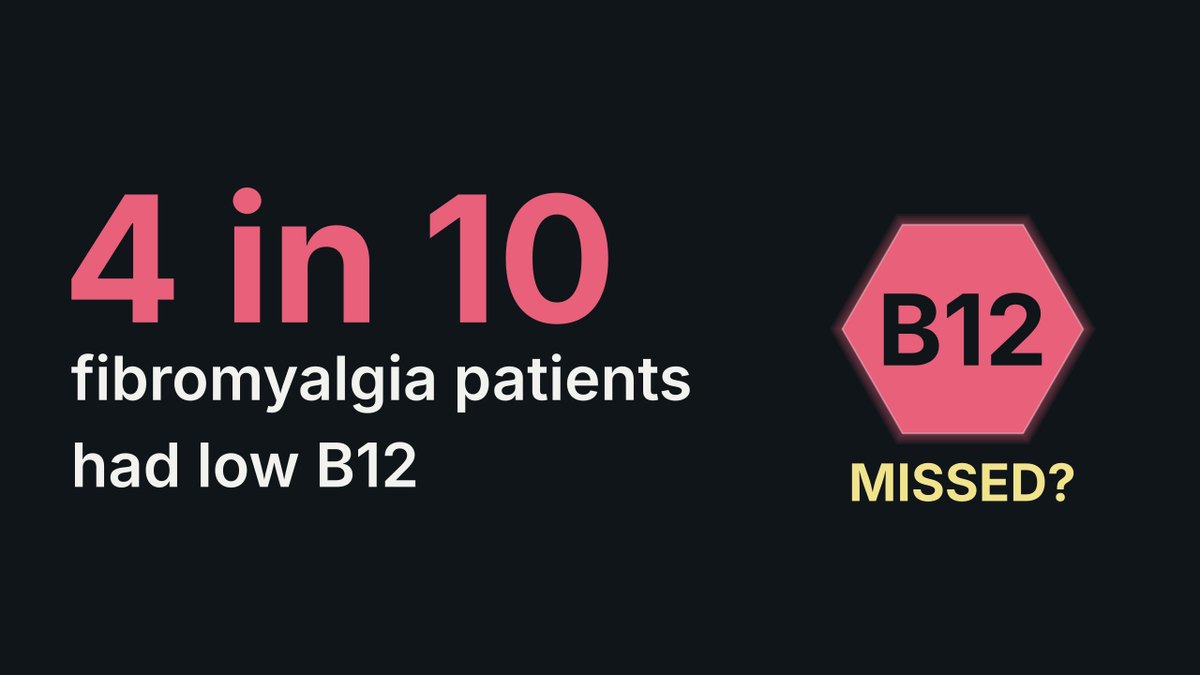
- B12. Acid frees B12 from food, and intrinsic factor carries it to be absorbed. Lose the parietal cells and both steps weaken. The late stage is pernicious anemia, and our article on B12 deficiency and fibromyalgia follows that road step by step.12
- Microbes. Acid kills many of the microbes we swallow. People with this condition have a different mix of stomach bacteria, and what that means is still being worked out.2
Why it’s so common with Hashimoto’s
Thyroid and stomach autoimmunity pair up often enough to have a name: thyrogastric syndrome.2 In a 2022 study from Athens, 840 adults with Hashimoto’s were all tested for parietal cell antibodies. 180 of them, 21.4%, were positive.5 Other studies in Hashimoto’s have found anywhere from 16% to 40%, depending on age and who was included.5
The antibody-positive group in Athens was older on average (54 versus 49) and more likely to have a second organ-specific autoimmune disease, 14.4% versus 8%. That’s co-occurrence, sometimes called polyautoimmunity. It doesn’t show that one attack causes the other. The authors note that the thyroid and stomach share features, most likely because they come from related tissue in the embryo, but why they so often fall together isn’t settled.5
U.S. gastroenterology advice points in two directions. The American Gastroenterological Association’s 2021 practice update says autoimmune thyroid disease is common in people with autoimmune gastritis and should be screened for, and that unexplained iron or B12 deficiency should put atrophic gastritis on the list of possible causes.4 If you have Hashimoto’s and a low ferritin nobody can explain, that second line is the one to know. (Our article on Hashimoto’s fatigue with a normal TSH covers the other causes worth ruling out.)
Low stomach acid often doesn’t feel like heartburn
A study from Curitiba, Brazil, tested 243 people with autoimmune thyroid disease (107 with Hashimoto’s, 136 with Graves’) for parietal cell antibodies and asked them about digestive symptoms with a structured questionnaire.6
About one in five (20.1%) were positive. The antibody-positive group had more anemia, with almost three times the odds (odds ratio 2.89). They also reported less heartburn: an odds ratio of 0.4, under half the odds of the antibody-negative group. Of the 49 positive patients, 24 agreed to an endoscopy, and about half of those (54.1%) had atrophic gastritis.6
What it does feel like is often fullness. An Italian study of 379 people with confirmed autoimmune gastritis found that 56.7% had digestive symptoms. The most common pattern, in 60.2% of those with upper-stomach symptoms, was postprandial distress: filling up too fast, or feeling uncomfortably full for a long time after eating. Many others had no stomach symptoms at all, and more than half had pernicious anemia, so for plenty of people the first clue was in the blood, not the gut.7
Parietal cell antibody positive, intrinsic factor negative
This combination is common, and it isn’t a contradiction. Intrinsic factor antibodies are aimed at the B12-carrying protein itself. They’re highly specific (when they’re present, they point strongly toward autoimmune gastritis) but not very sensitive, meaning many people with the condition don’t have them.2 Parietal cell antibodies work the other way around: they’re found in most people with the condition, including 85% to 90% of people with pernicious anemia, but they also turn up in some people without it.54
Put together, a positive parietal cell result with a negative intrinsic factor result says “possible, not confirmed.” It doesn’t rule the condition out, and it doesn’t prove it. The stomach tests below are what move the answer one way or the other.
The tests that usually come next
Blood tests come first, and the diagnosis is confirmed with an endoscopy. The AGA advises biopsies from at least two areas, the body of the stomach and the antrum, in separately labeled jars, because the signature is damage in the upper stomach with the antrum spared.4 It also advises checking everyone with atrophic gastritis for H. pylori, a stomach infection that can cause a similar picture.4
| Test | What it measures | The catch |
|---|---|---|
| Parietal cell antibody | Immune reaction to the acid pump | Positive in 2.5–9% of healthy people; can be negative in older patients with the condition2 |
| Intrinsic factor antibody | Immune reaction to the B12 carrier protein | Strong clue when present, but often absent2 |
| Gastrin | The “make more acid” hormone; high when acid is low | Acid-reducing medicines and H. pylori raise it too, so the person ordering it needs to know what you take2 |
| Pepsinogen I (and the I/II ratio) | A protein made by the upper stomach; low when it has thinned | One study found high accuracy (92.7% sensitivity, 99.1% specificity), but it supports a biopsy, it doesn’t replace one2 |
| Ferritin, iron and B12 (plus a blood count) | Whether absorption is already affected | Iron often falls well before B12 does24 |
| Endoscopy with biopsies | The stomach lining itself | The only way to confirm the diagnosis and check for growths4 |
One practical point on gastrin: please don’t stop an acid-reducing medicine on your own to get a cleaner result. If your doctor wants the test read without it, they’ll tell you how.
And on the word “tumor”: the risk is real but small, and it’s the reason follow-up exists. A 2025 meta-analysis of 23 follow-up studies counted about 1.1 neuroendocrine tumors per 100 people per year and 0.12 stomach cancers per 100 people per year in autoimmune gastritis. In people defined only by a positive parietal cell antibody, the cancer rate was lower, 0.09, and rates were higher in people 60 and over.8 How often to scope is decided case by case.4
Why we care about this one
Kristin’s mom, Annesse, was told she had lupus, then chronic fatigue syndrome and fibromyalgia, after her symptoms started in the summer of 1992. About ten years after her symptoms began, she read a line in a book that connected the face and the stomach. It was the first real clue in her own search.
That’s why we read stomach research closely now, and why this antibody stands out to us. It’s a blood test, it was positive in about one in five people with Hashimoto’s in the Athens study, and the stomach it points to often stays quiet. If your iron or B12 keeps coming back low and nobody can say why, the stomach is worth asking about.
Questions to bring to your doctor
- I have Hashimoto’s and low ferritin (or low B12, or anemia). Would testing for parietal cell or intrinsic factor antibodies make sense in my case?
- My parietal cell antibody came back positive. What would tell us whether my stomach lining is actually affected: gastrin, pepsinogen, or an endoscopy?
- I take an acid-reducing medicine. Does that change how we read my gastrin result?
- If autoimmune gastritis is confirmed, how often should my iron and B12 be checked, and what does follow-up look like for me?
What we still don’t know
Nobody can yet say which antibody-positive people with a normal-looking stomach will go on to develop atrophy, or how fast. Both thyroid studies above looked at people at one point in time, each in a single city. In the Athens study, four neuroendocrine tumors and one stomach cancer were found, all in the antibody-positive group, but only that group was scoped, so it isn’t a fair comparison, and five cases is a small number.5
The role of H. pylori in starting the attack is still uncertain,1 and whether autoimmune gastritis with no past H. pylori infection raises stomach cancer risk on its own is still debated.2 The 2025 meta-analysis found no protective effect from never having had the infection, but the studies it pooled defined the condition in different ways.8
Quick answers
Is a positive parietal cell antibody serious?
Not by itself. It shows the immune system is reacting to the stomach’s acid pump, and 2.5% to 9% of healthy people test positive. It’s a reason to check iron, B12 and the stomach lining, not a diagnosis.
Does Hashimoto’s cause low stomach acid?
It hasn’t been shown to cause it, but the two often occur together. In a 2022 study of 840 people with Hashimoto’s, 21.4% had parietal cell antibodies, the marker of autoimmune gastritis.
What does positive parietal cell antibody, negative intrinsic factor mean?
Autoimmune gastritis is possible but not confirmed. Intrinsic factor antibodies are often absent even when the condition is present, so stomach tests and biopsies decide it.
Can autoimmune gastritis cause reflux?
Reflux can still happen, but in one study antibody-positive people with thyroid disease had less than half the odds of reporting heartburn. Fullness after meals and anemia are more typical clues.
Sources
- Lenti MV, et al. Autoimmune gastritis. Nat Rev Dis Primers. 2020;6(1):56. doi.org/10.1038/s41572-020-0187-8
- Vavallo M, et al. Autoimmune gastritis and hypochlorhydria: known concepts from a new perspective. Int J Mol Sci. 2024;25(13):6818. doi.org/10.3390/ijms25136818
- Li M, et al. Prevalence of autoimmune gastritis worldwide: a systematic review and meta-analysis. Helicobacter. 2025;30(4):e70065. doi.org/10.1111/hel.70065
- Shah SC, et al. AGA Clinical Practice Update on the Diagnosis and Management of Atrophic Gastritis: Expert Review. Gastroenterology. 2021;161(4):1325-1332.e7. doi.org/10.1053/j.gastro.2021.06.078
- Boutzios G, et al. Hashimoto thyroiditis, anti-parietal cell antibodies: associations with autoimmune diseases and malignancies. Front Endocrinol (Lausanne). 2022;13:860880. doi.org/10.3389/fendo.2022.860880
- Utiyama SRR, et al. Anti-parietal cell antibodies in patients with autoimmune thyroid diseases. J Endocrinol Invest. 2018;41(5):523-529. doi.org/10.1007/s40618-017-0755-2
- Carabotti M, et al. Upper gastrointestinal symptoms in autoimmune gastritis: a cross-sectional study. Medicine (Baltimore). 2017;96(1):e5784. doi.org/10.1097/MD.0000000000005784
- He B, et al. Incidence of gastric cancer and neuroendocrine tumors in autoimmune gastritis: a systematic review and meta-analysis of follow-up studies. Helicobacter. 2025;30(6):e70096. doi.org/10.1111/hel.70096
How we made this article. We start from the research behind our video, draft with help from AI writing tools, and check every number and claim against the original papers listed above. Last fact-check: November 11, 2026. Spot an error? Tell us on any of our channels and we’ll fix it.
This article is education, not medical advice. It doesn’t diagnose or treat any condition. Talk to your doctor before changing your care, and never stop or change a medication on your own.